At a glance
- Topic
- Manual
- Reading time
- About 3 min
- Phone
- (365) 363-2754
- Matching repair
- Burst Pipe Repair in Ajax
Why it matters
When water freezes, it expands. Inside a pipe, that expansion builds pressure between the ice plug and the closed tap until something gives. Often the split appears in a spot you cannot see, and you only find out when the ice thaws and water starts pouring out. In Ajax and across Durham Region, the worst nights usually come with strong winds off the lake or across open fields, which pull heat out of walls quickly.
The pipes most at risk are those in outside walls, unheated garages, crawlspaces, bump-outs over cold spaces and the lines to outdoor taps.
The routine, in order
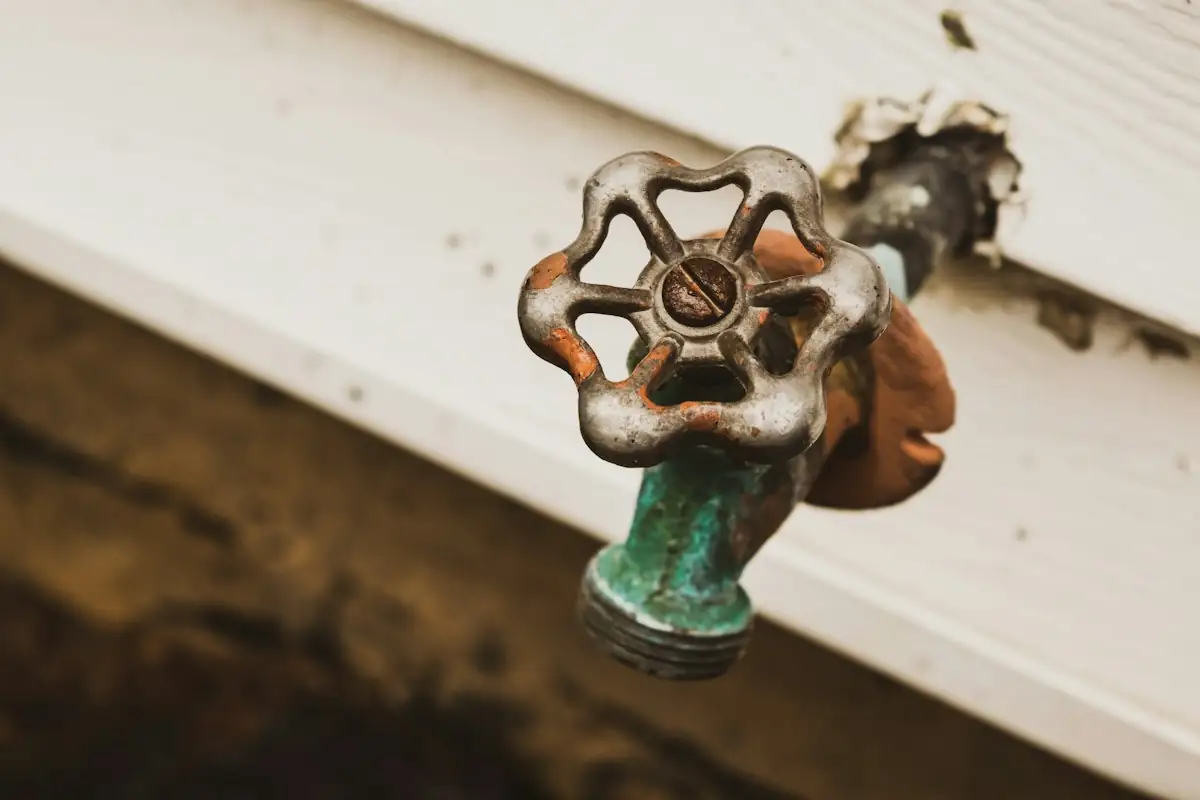
- Shut off and drain outdoor taps. Each outdoor faucet has an indoor isolating valve: close it, then open the faucet outside so the line empties. Disconnect hoses. Even frost-free bibs can split if a hose holds water in them.
- Insulate exposed pipes. Foam pipe sleeves from the hardware store are inexpensive and fit most supply lines. Focus on pipes in garages, crawlspaces and along cold basement walls.
- Seal drafts. Look for gaps where pipes, cables or vents pass through outside walls. A little caulk or expanding foam stops cold air reaching the pipe.
- Keep the heat on. Do not set the thermostat too low at night or when you are away. Aim for a steady temperature throughout the house.
- Open cabinet doors on cold nights. Kitchen and bathroom sinks on outside walls benefit from warm room air reaching the pipes.
- Let a tap trickle in a deep freeze. A thin stream from the most exposed tap keeps water moving and relieves pressure.
Local tip Locate the main valve in autumn, not during a January leak. If a pipe does burst, closing it quickly limits the damage. Our guide to finding your main shut-off shows how.
Mistakes to avoid
- Using an open flame to thaw a pipe. A torch can start a fire in the wall or split the pipe. Use gentle heat like a hair dryer, or call us.
- Leaving the garage door open. Many Ajax homes have supply lines in garage walls. An open door on a cold day can freeze them quickly.
- Forgetting the hose. A hose left on a frost-free tap traps water in the valve body, and it cracks out of sight inside the wall.
- Turning off the heat when away. If you leave in winter, keep the furnace on and ask someone to check the house.
Signs a pipe has frozen
No water or only a trickle from one tap, frost on an exposed pipe or a strange smell from a drain can all point to a freeze. Turn off the water to that line if you can, open the tap, and warm the area gently. If you cannot find the frozen spot, or if the pipe has cracked, shut the main and call.
Where a plumber takes over
Call us if a pipe is frozen and you cannot reach it, if it has split, or if the same line keeps freezing every winter. We offer frozen pipe thawing and burst pipe repair, and we can reroute or insulate problem lines so it does not happen again. Phone (365) 363-2754. For outdoor taps specifically, see winterizing hose bibs.
Questions we hear on the phone
What temperature should I keep my house at to prevent frozen pipes?
Keep the heat at a normal living temperature, even at night. Very low settings in a house with cold spots can let pipes in outside walls freeze.
Do frost-free hose bibs need winterizing?
Yes. Remove the hose so the valve can drain. If there is an inside shut-off, close it and drain the line as well.