At a glance
- Topic
- The flap under the cover
- Reading time
- About 2 min
- Phone
- (365) 363-2754
- Matching repair
- Backwater Valve Installation in Ajax
Why it matters
During an intense downpour the municipal sewer can fill beyond its capacity. Without a valve, the lowest opening in your house, usually the basement floor drain, becomes an overflow for the street. With a valve, that water stops at the flap.
The routine, in order
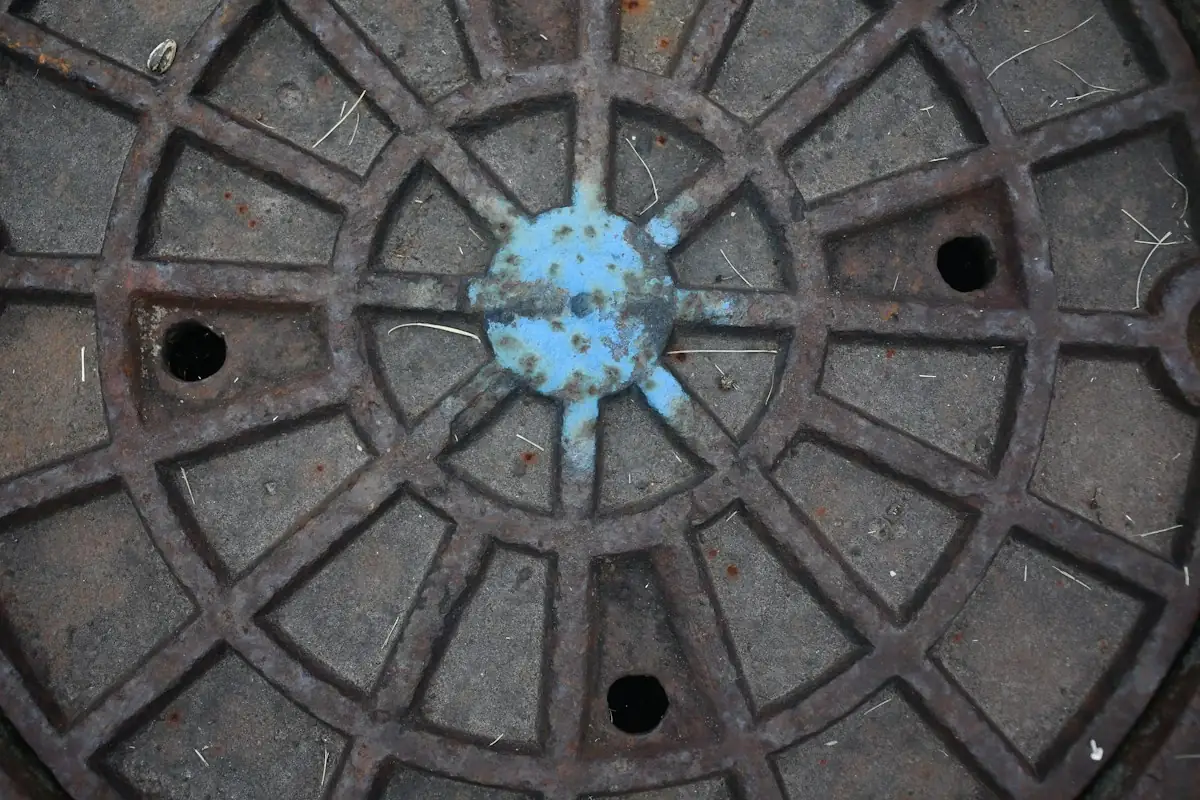
- Find the cover. A round or square access lid at floor level, usually close to the front wall where the sewer leaves.
- Open it twice a year. Lift the lid and look with a flashlight. The flap should hang open, free of debris, paper or grease.
- Clean gently. With gloves, clear anything caught at the hinge or seat. Some models let the flap lift out for rinsing.
- Check the cap gasket before you close the lid, so sewer gas stays out.
- Keep it reachable. Never tile or carpet over the access.
Mistakes to avoid
- Running the washer or dishwasher during a storm backup while the valve is closed. House water has nowhere to go and can rise inside.
- Letting the sump pump discharge into a floor drain upstream of the valve.
- Buying a valve meant for a single fixture and expecting it to protect the whole house.
- Assuming a valve fixes groundwater seepage; it only deals with sewage.
Local tip Some valves have a normally-open flap, others a normally-closed one. Ask which you have, since the maintenance differs slightly.
Where a plumber takes over
Installation means cutting the basement floor, working on the main drain and arranging a permit. See our backwater valve page. A valve that will not close, or that keeps clogging, also needs a look.
Questions we hear on the phone
Does a backwater valve smell?
A correctly sealed access cover should not let sewer gas out. A smell means the cover gasket or a trap elsewhere needs attention.